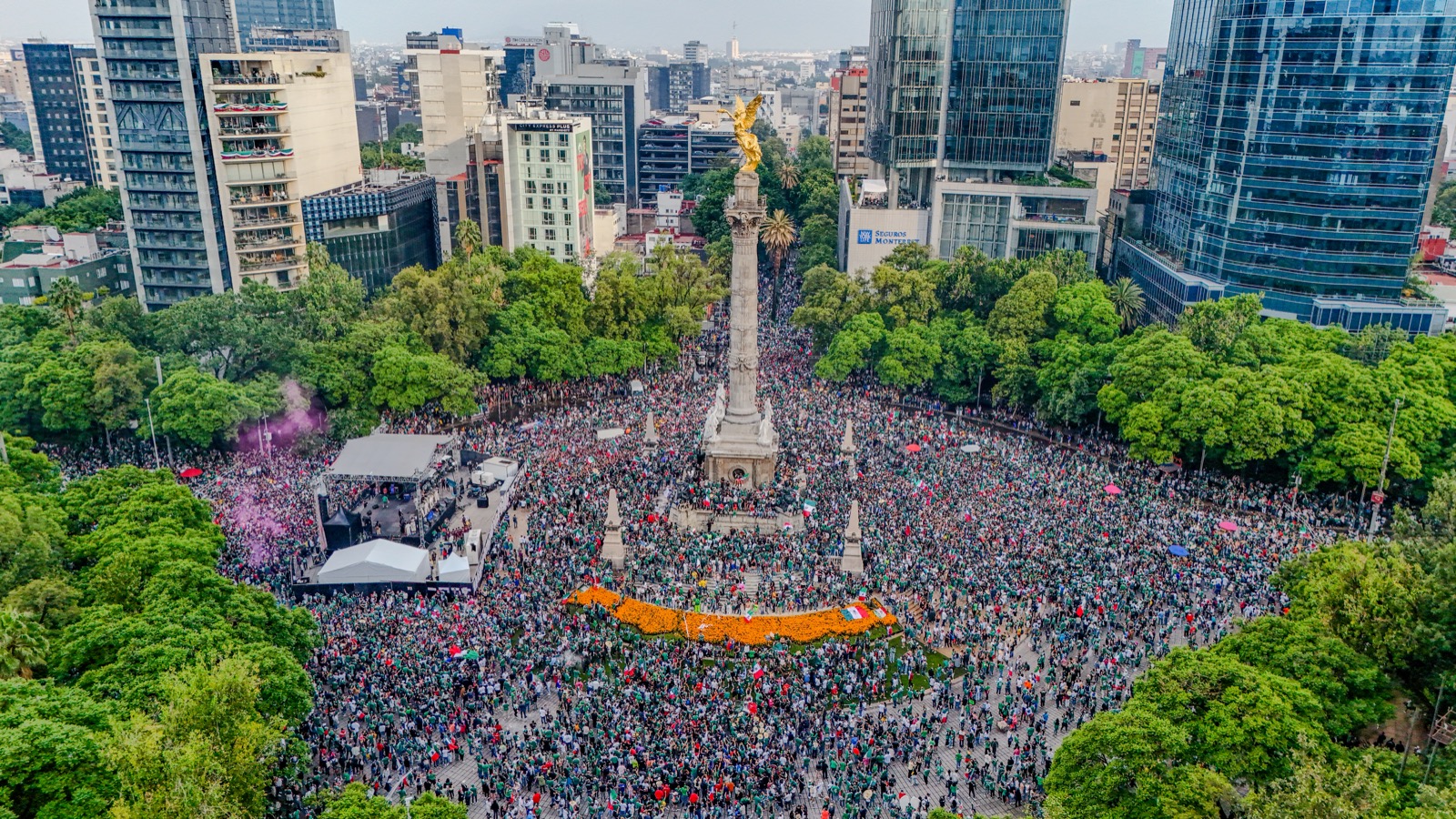
A continental tournament
The scale was visible in every city, airport, fan zone and stadium.
Spain lifted the trophy after 104 matches, 48 teams and 39 days. This is the final, the goals, the firsts and the human stories that gave the biggest World Cup its identity.
The final became a tactical contest of patience. Argentina resisted for 90 minutes, but Spain’s control never disappeared. In extra time, Mikel Oyarzabal converted the half-chance that decided a World Cup.
Kickoff. Spain immediately establishes possession.
Level at halftime after a tightly controlled first half.
No breakthrough. The title moves into extra time.
Oyarzabal pounces and gives Spain the lead.
Spain survives Argentina’s final pressure and becomes champion.

Expansion created more matches and more noise, but it also created more entry points into the story. New nations arrived, established powers were tested and the knockout stage repeatedly rewarded teams that could control pressure.
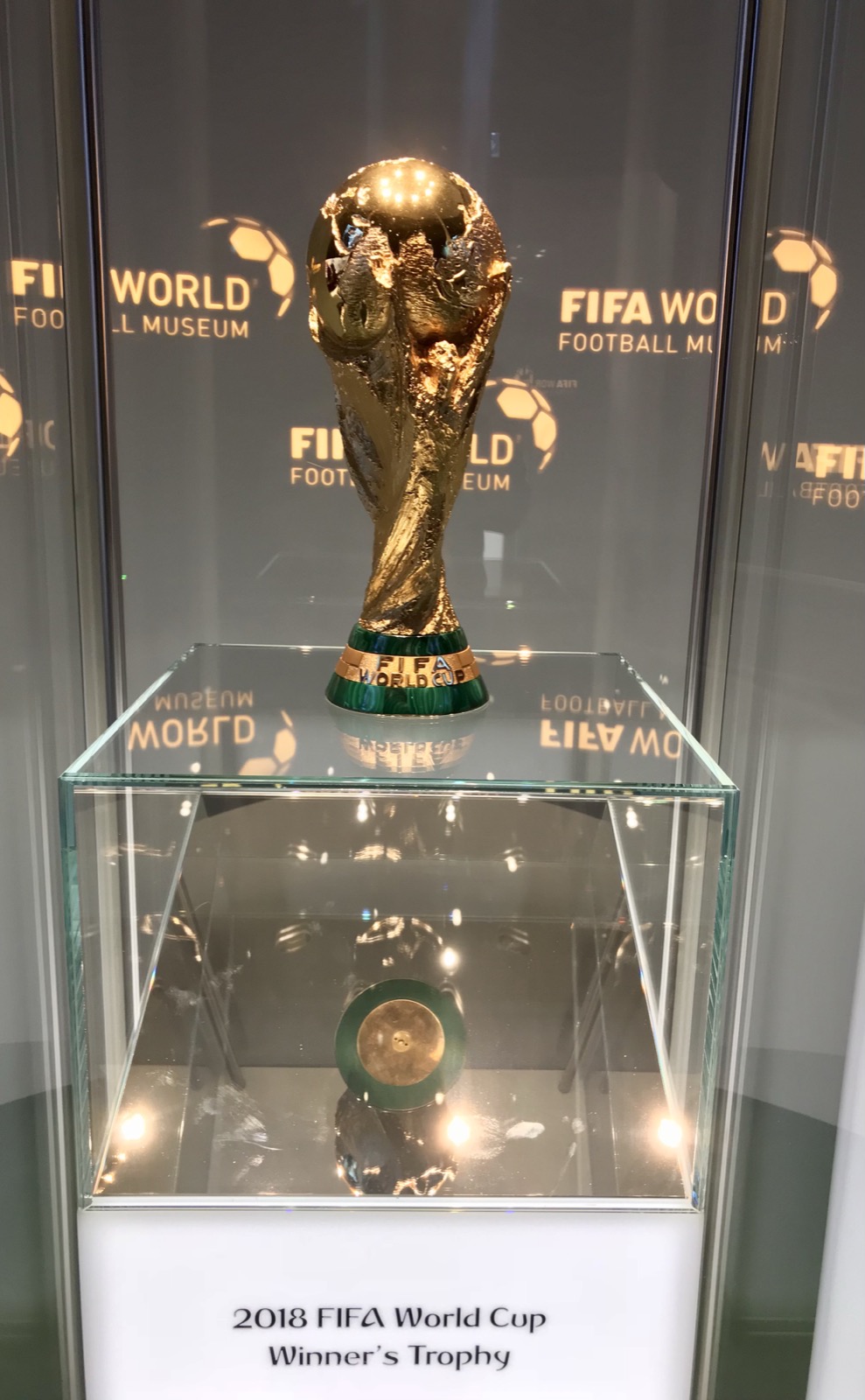
The best moments were not only the most spectacular finishes. They were the goals that changed the shape of a match, restored belief or announced that an outsider belonged on the stage.
The most valuable touch of the tournament: one extra-time finish that separated Spain from Argentina.
The Round of 16 upset that transformed Norway from a good story into a genuine contender.
The performance that made clear Spain was not simply surviving the bracket; it was controlling it.
A knockout match that mixed home pressure, momentum swings and an English escape.
The tournament’s leading scorer remained its most dangerous individual attacker.
The center of Spain’s control and the player who gave every phase of the champion’s game its rhythm.
A breakthrough tournament that made elite responsibility look routine.
Reliable through the knockout rounds and secure when Argentina pushed late in the final.
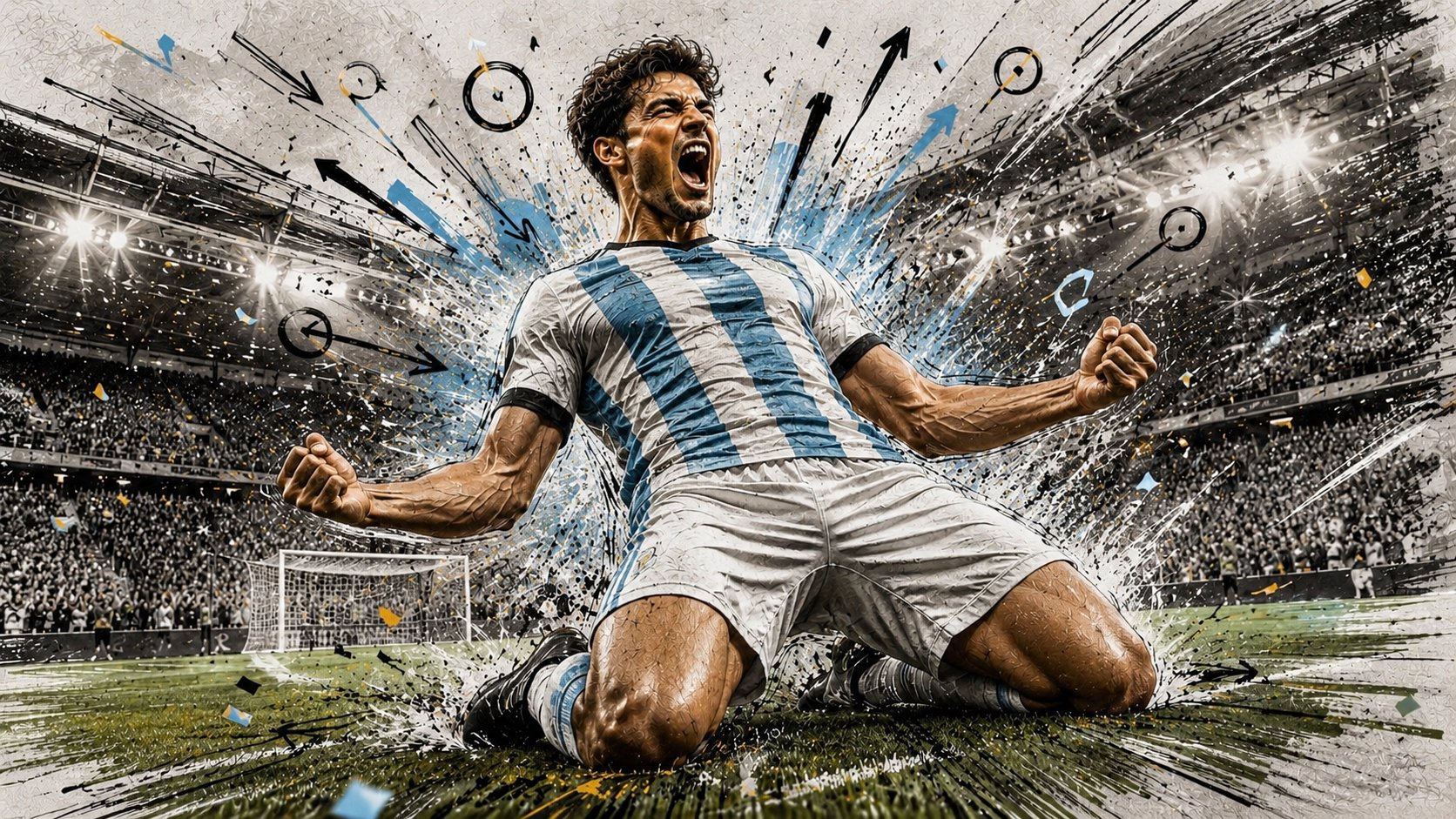
Argentina came within one extra-time goal of consecutive titles. Their run gave the final emotional weight: a champion trying to preserve an era against a Spain team building a new one.
Cape Verde gave the competition one of its most personal stories, Norway broke through to the quarterfinals and young players such as Cubarsí left with careers permanently changed.
A late-career appearance on the largest stage became one of the tournament’s most human achievements.
Beating Brazil turned a promising generation into a team the world had to take seriously.
The young defender did more than win an award; he became part of Spain’s next cycle.
The tournament’s identity came from movement between cities, cultures and fan bases across North America.
Meaningful debut stories, elite knockout matches, a credible champion and enough surprise to keep the expanded field from feeling predetermined.
The schedule was long, some group-stage matches lacked urgency and expansion inevitably created uneven quality. But the best parts were strong enough to define the tournament.
Final word: Spain’s control gave 2026 its champion. The outsiders, supporters and breakthrough players gave it its memory.
Read the Bot Arena performance recap →